“Discover Expert Engineering Solutions at Unbeatable Rates with LIYAM.AE. Contact us today for the best expert solutions tailored to your needs!”
Unveiling Maintenance Strategies: Exploring Reactive, Planned Preventive, and Predictive Approaches
Discover the diverse world of maintenance strategies, from reactive to predictive, and how each approach contributes to efficient operations and cost savings. Explore the blog to gain insights into optimizing performance and extending the lifespan of equipment through various proactive methods.
FACILITIES MANAGEMENT
LIYAM
8/25/20231 min read

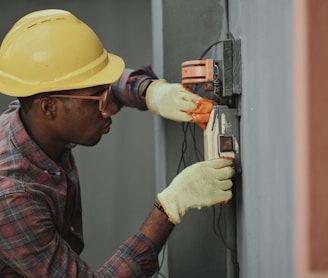
Maintenance is the backbone of seamless operations for any system, equipment, or infrastructure. In this blog, we'll delve into the diverse categories of maintenance strategies, from reactive to planned preventive and predictive, shedding light on how each approach plays a critical role in optimizing performance and longevity.
1. Reactive Maintenance: Addressing Urgency Reactive maintenance involves addressing issues as they arise, often in response to breakdowns or malfunctions. While it's a quick fix, relying solely on reactive maintenance can lead to increased downtime, higher repair costs, and potential safety hazards.
2. Planned Preventive Maintenance: The Proactive Approach Planned preventive maintenance focuses on scheduled inspections and repairs to prevent breakdowns. By conducting routine checks and replacing worn components, this approach minimizes unexpected downtime and extends the lifespan of equipment.
3. Predictive Maintenance: Harnessing Data for Efficiency Predictive maintenance leverages data and technology to anticipate potential issues. By monitoring equipment performance and analyzing trends, it predicts when maintenance is needed, optimizing resources and reducing downtime.
4. Corrective Maintenance: Root-Cause Solutions Corrective maintenance seeks to identify and address the root causes of recurrent issues. By addressing underlying problems, this approach not only resolves immediate concerns but also prevents future disruptions.
5. Condition-Based Maintenance: Guided by Monitoring Condition-based maintenance relies on real-time monitoring to determine when maintenance is required. By assessing equipment conditions, this approach ensures timely interventions and minimizes unnecessary servicing.
6. Total Productive Maintenance: Enhancing Efficiency Total Productive Maintenance (TPM) is a holistic approach that involves all employees in equipment maintenance. It aims to maximize operational efficiency, reduce downtime, and foster a culture of continuous improvement.
Conclusion: Each maintenance strategy holds a unique place in optimizing performance, reliability, and cost-effectiveness. While reactive maintenance is essential for addressing urgent issues, planned preventive, predictive, and other proactive approaches are key to minimizing disruptions and achieving long-term sustainability. By understanding and implementing a combination of these strategies, businesses can navigate maintenance challenges and create a foundation for seamless operations in various industries.